

Exploring the Rich Cultural Heritage and Modern Adoption of Loteria
Loteria, a traditional Mexican game often compared to bingo, has captivated players with its colorful illustrations and ancestral significance. Originating in Italy during the 15th century, Loteria was introduced to Mexico in the late 18th century and has since become an integral part of Mexican culture. This beloved game is celebrated not only for its entertainment value but also for its deep cultural roots and artistic expression.
The Origins of Loteria
166brLoteria, derived from the Italian word "lotto," originally emerged as a game of chance similar to modern-day bingo. It was brought to New Spain, now known as Mexico, by Spanish colonizers seeking to share their cultural practices. Over time, Loteria evolved into a distinct game, embedded with indigenous Mexican themes and imagery, which contributed to its widespread popularity.q76
Cultural Integration and Evolution
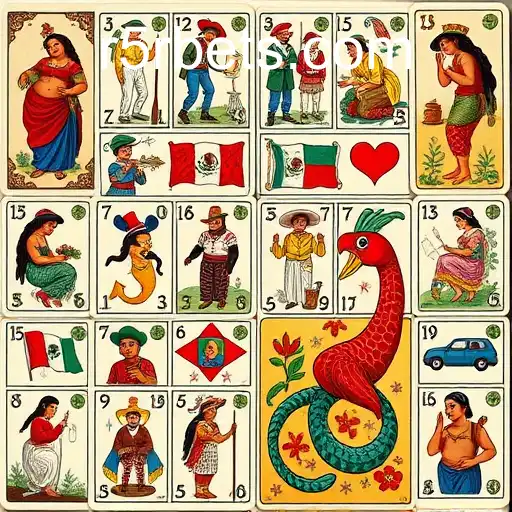
The game’s integration into Mexican culture resulted in a unique blend of Spanish and indigenous influences. Traditional Loteria cards feature vibrant images, each representing different aspects of Mexican life, folklore, and spirituality. These illustrations, combined with poetic riddles or verses, not only entertain but also educate players about Mexican history and customs.t89.com
13br.comThe imagery depicted on Loteria cards, such as "El Catrin" (The Gentleman) and "La Sirena" (The Mermaid), showcase the country's multicultural fabric. The game encourages players to appreciate Mexico’s diverse heritage, fostering a sense of identity and unity among participants.
Loteria's Traditional Gameplay
In traditional Loteria, a designated caller—a person responsible for announcing cards—selects randomly from a deck of 54 images. Players use tablets or cards, known as tablas, featuring a unique grid of these images. As images are called, players mark matching illustrations on their tablas with beans, coins, or buttons. The first player to form a predetermined pattern shouts "Loteria!" to claim victory.
Often played at family gatherings, festivals, and community events, Loteria serves more than just entertainment. It strengthens family ties, educates younger generations, and provides a platform for preserving oral traditions through the poetry and stories tied to each card.
The Artistic Significance of Loteria
Loteria's rich imagery has inspired artists and creators beyond the game itself, leading to a cultural renaissance in art, fashion, and pop culture. Contemporary artists have reimagined the classic Loteria cards, infusing them with modern themes and social commentary. This artistic reinterpretation ensures that the game remains relevant, resonating with new generations while honoring its artistic legacy.
The cultural significance of Loteria extends to educational institutions, where educators employ the game as a tool for language learning and cultural education. Its engaging format fosters language skills and enhances cultural literacy, allowing students to immerse themselves in the vibrancy of Mexican traditions.
Modern Revival: R5R.COM and the Digital Age
In the digital age, platforms like R5R.COM have embraced the challenge of preserving Loteria’s core elements while adapting to contemporary technology. Through online platforms and apps, Loteria enthusiasts can now access virtual versions of the game, bringing families and communities together in new and innovative ways. This digital revival ensures that Loteria remains a relevant and cherished pastime for people worldwide.
The digital transition has also opened doors for creative modifications, such as themed variations of Loteria aligning with specific interests or social movements. The accessibility provided by platforms like R5R.COM ensures that the game reaches an even broader audience, fostering a global appreciation for this enduring cultural treasure.
Loteria as a Cultural Symbol
Beyond being a popular pastime, Loteria holds symbolic significance within Mexican and Latin American communities. It embodies resilience, creativity, and cultural pride—a testimony to the power of games in transcending boundaries and uniting people through shared experiences.
In recent years, Loteria-inspired events and exhibitions have emerged worldwide, celebrating its heritage and influence. These events highlight the game's power to bridge culture and entertainment, offering a space for reflection, connection, and celebration of diversity.
Conclusion
199PGLoteria’s journey from its European origins to becoming a cherished symbol of Mexican heritage exemplifies the enduring power of cultural exchange. As modern platforms like R5R.COM continue to enhance and expand its reach, Loteria will undoubtedly remain a beloved tradition, cherished for its potent combination of art, history, and communal joy. Its impact on art and society serves as a reminder of the ways in which games can influence and enrich cultural narratives across generations.